
- About Us
Who are we
What are we doing
Our Impact
- Support us
- About Us
Who are we
What are we doing
Our Impact
- Support us

- About Us
Who are we
What are we doing
Our Impact
- Support us
Adaptation Fund
Location
Northern Zone of the National District
Date
February 2017 - December 2021
Budget
7,143,432.00
Contribution
7,143,432.00
Theme
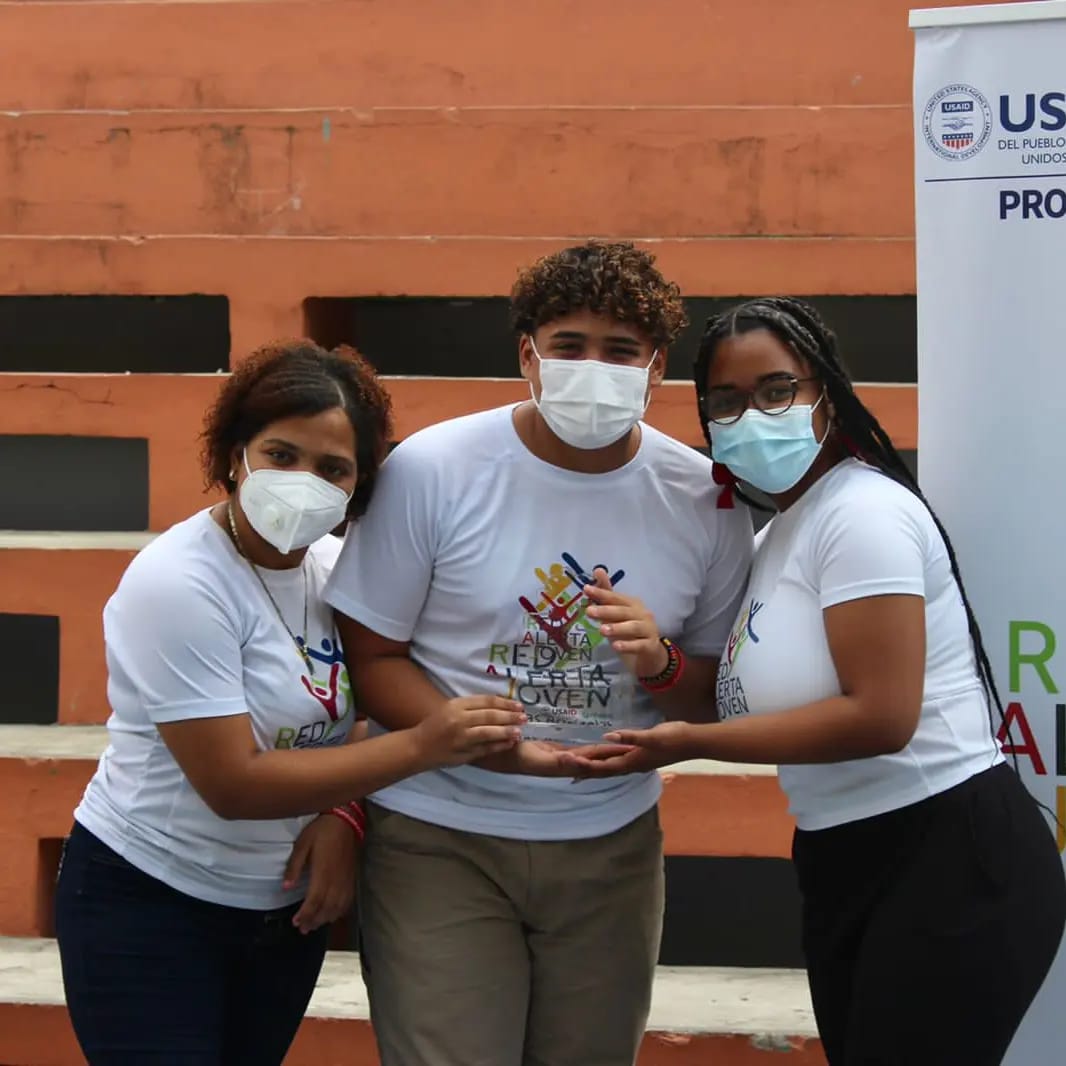
The objective of this initiative was born to create a safety net for at-risk youth implemented to prevent violence and crime, and the prevention of child marriage and early forced unions.
Funded by

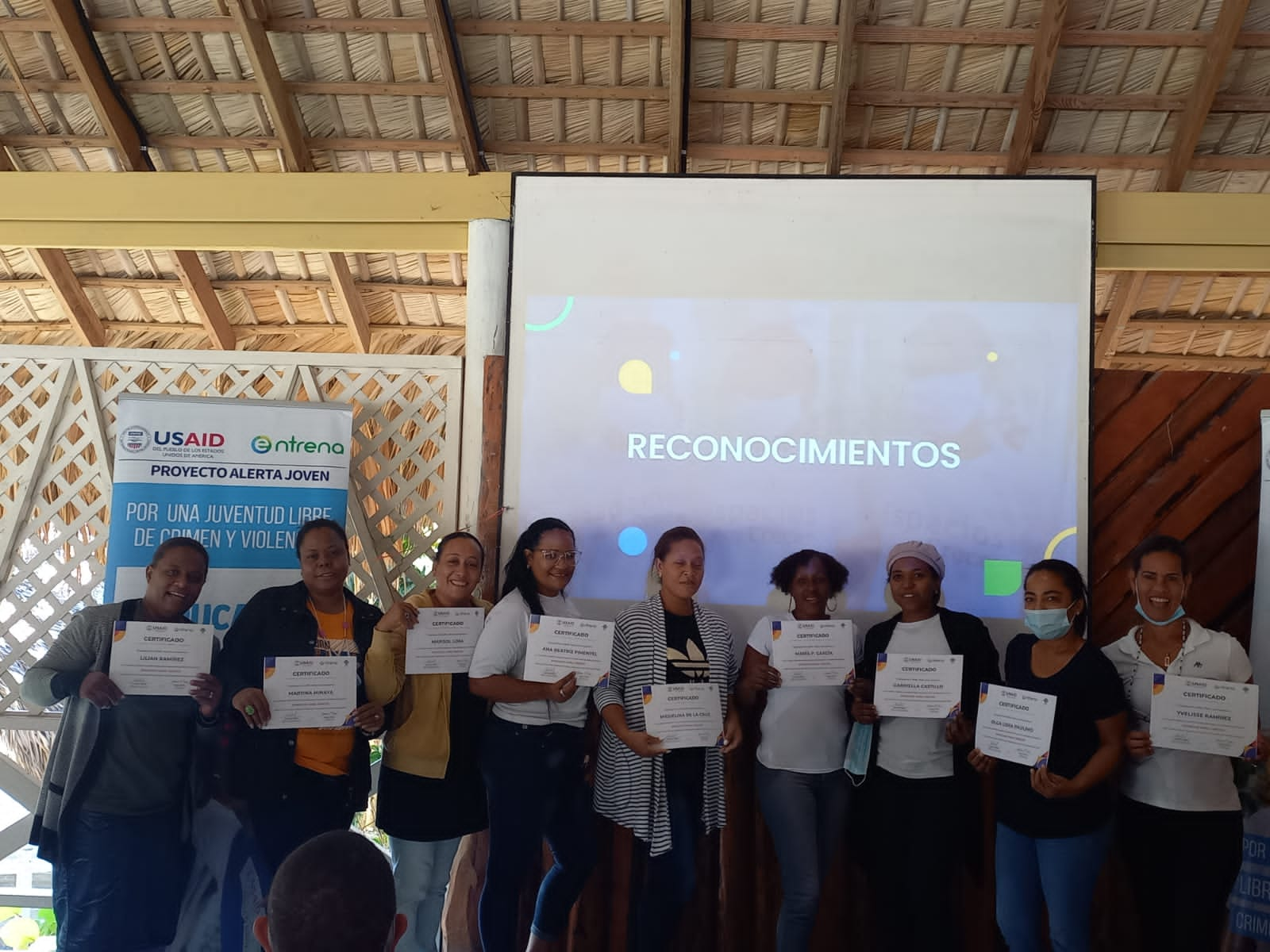
The USAID Young Alert Project was initiated in 2012. During its first stage, from July 2012 to March 2017, it was implemented by 23 social organizations working with at-risk youth. In this phase, over 139,000 children, adolescents, and young people between 11-24 years old were reached, residing in the intervention zone located in what has been called the Duarte Corridor.
The program is based on the creation of a multidisciplinary support network for at-risk children, adolescents, and youth in the areas of: education with school enrollment and retention programs, literacy, educational quality, and accelerated education. It incorporates technical-vocational training programs, income generation, microcredit, entrepreneurship, and collaborative enterprises.
The program includes a virtual platform through a website where young people can stay connected to project offers, communicate their concerns, ask questions and receive guidance, report on program activities they are participating in, and disseminate results and project impact.
The intervention will be carried out through the following programs:
Education Program
1.1. RETENTION – EPC AND QLS
The strategy seeks to improve school retention and pedagogical leveling for [target population] children and adolescents aged 11-14 through Espacios para Crecer (EpC). Additionally, it aims to reach [number of beneficiaries to be intervened] young people aged 13-24 through the Quantum Learning for Students (QLS) methodology.
As part of its strategy for implementing the EPC program, activities involving the community and families are incorporated. These include forming support groups for the selection and follow-up of children and adolescents, parent gardens, and talks for parents and guardians on the importance of education and good treatment of children and adolescents, as well as the prevention of child marriage and early forced unions. For QLS, alliances will be established with the PREPARA Program of the MINERD, targeting young people aged 15 to 24 who are over the standard age for their grade level. Alliances and coordination will be established with educational centers for the identification and follow-up of young people.
Job placement program
The Labor Market Integration Program will offer at-risk youth in the project, aged 18 to 24, opportunities to acquire and improve their technical job skills, enter the labor market, gain access to better jobs, and start their own businesses. Over the course of the program, it is expected to reach (target) young people through direct training provided by the project in coordination with training institutions that offer the programs required by the project, with at least 35% of these resulting in actual job placement.
Youth networks program
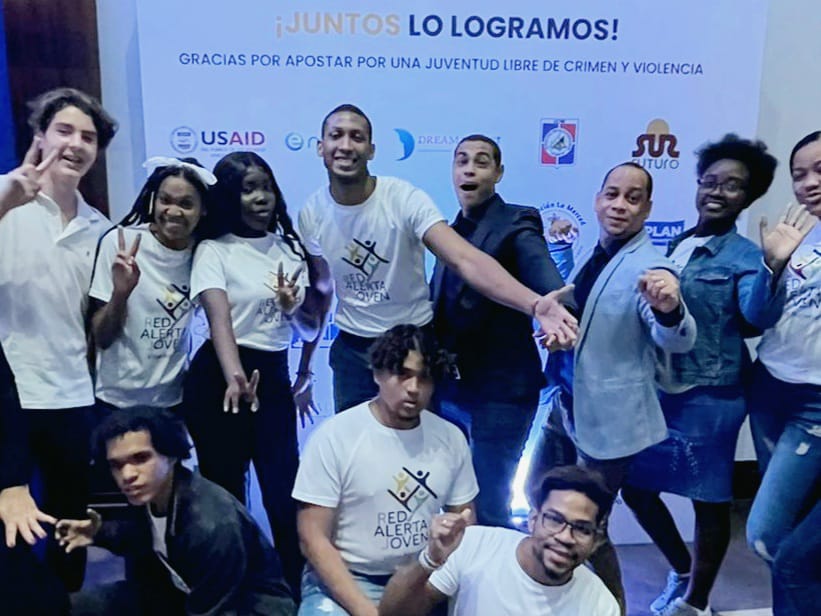
The program also aims to foster the potential of youth, thereby impacting their personal development, the development of their peers, and their own communities. Networking promotes greater participation, leadership, and commitment from young people, enabling them to have a greater influence on public policies related to youth and community development.
For interventions with adolescents and youth, a strategy will be used to promote gender equality and change social norms through the participation of young men and women and peer mobilization. This strategy provides concrete tools for strengthening and building their own safe spaces where they can challenge gender inequality and visualize change.
Child Marriage and Early Union Prevention Program
The objective of this Child Marriage and Early Forced Unions program is to carry out interventions for the prevention of child marriage and early forced unions through the empowerment and awareness-raising of adolescents, mothers and fathers, teachers, and other agents in the intervention communities.
For interventions with adolescents and young people, the methodology “Champions for Change for Girls” Rights and Gender Equality" will be used. This is a Plan International strategy to promote gender equality and social norm change through the participation of young people and peer-to-peer mobilization.
General Population
(Adolescents and Youth between 12 to 24 years old)
Impact
180 young people between 13 and 24 years old, through the Quantum Learning for Students (QLS) methodology, to improve school retention.
300 young people between 18 and 24 years old impacted with technical training.
130 young people placed in the labor market through paid internships or with new or better employment.
Creation of 300 young Health Multipliers and Conflict and Peace Mediators volunteers.
More than 50,000 young people have been impacted through talks on Sexual and Reproductive Health, Adolescent Pregnancy, STIs, Conflict Mediation, Culture of Peace, Child Marriage, and Early Unions.
Quality Education: Ensure inclusive, equitable, and quality education, and promote lifelong learning opportunities for all.



![PHOTO-2022-05-12-19-08-01[1]](https://iddi.org/wp-content/uploads/2024/07/PHOTO-2022-05-12-19-08-011.jpg)
![PHOTO-2022-05-12-19-08-01[2]](https://iddi.org/wp-content/uploads/2024/07/PHOTO-2022-05-12-19-08-012.jpg)
Any questions?
The IDDI is working hard to contribute to the transformation of human beings, their families, and the community in which we live.
Faced with a common problem, we are all the solution.