


Who are we
What are we doing
Our Impact
Who are we
What are we doing
Our Impact
Who are we
What are we doing
Our Impact
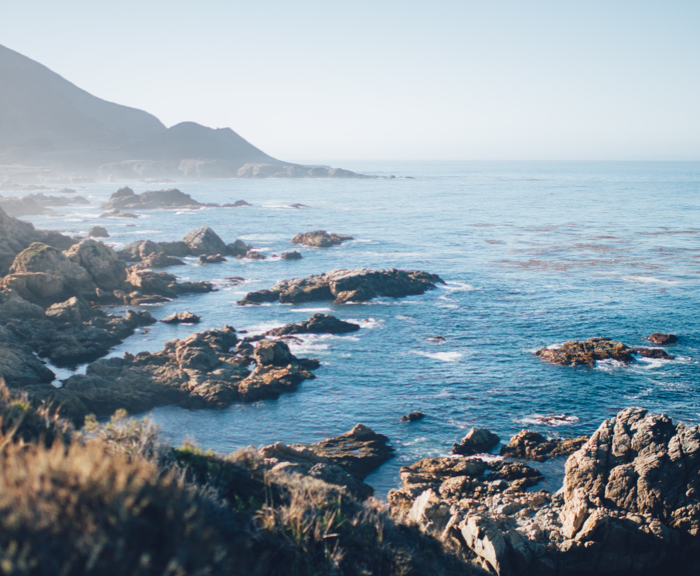
Protecting marine life in coastal areas coastal
Bringing Together communities for the common good
Contribute to the improvement of living conditions and environmental quality
Creating jobs for parents in poverty
Guarantee Access to safe drinking water for families in vulnerable communities
Turning a problem into a solution

2,550,000
People

616,850
Homes

4,670
Communities

578
Programs

US$206M
Investment
6,485
49
15,375 meters
54,500 m
13
19
195
786
68,500
18,350 m
8
US$820,100
642,320
3,240,000
435,000
25,530
43,260
86,400
538 hectares
4,200 hectares
4,479 hectares
382 hectares
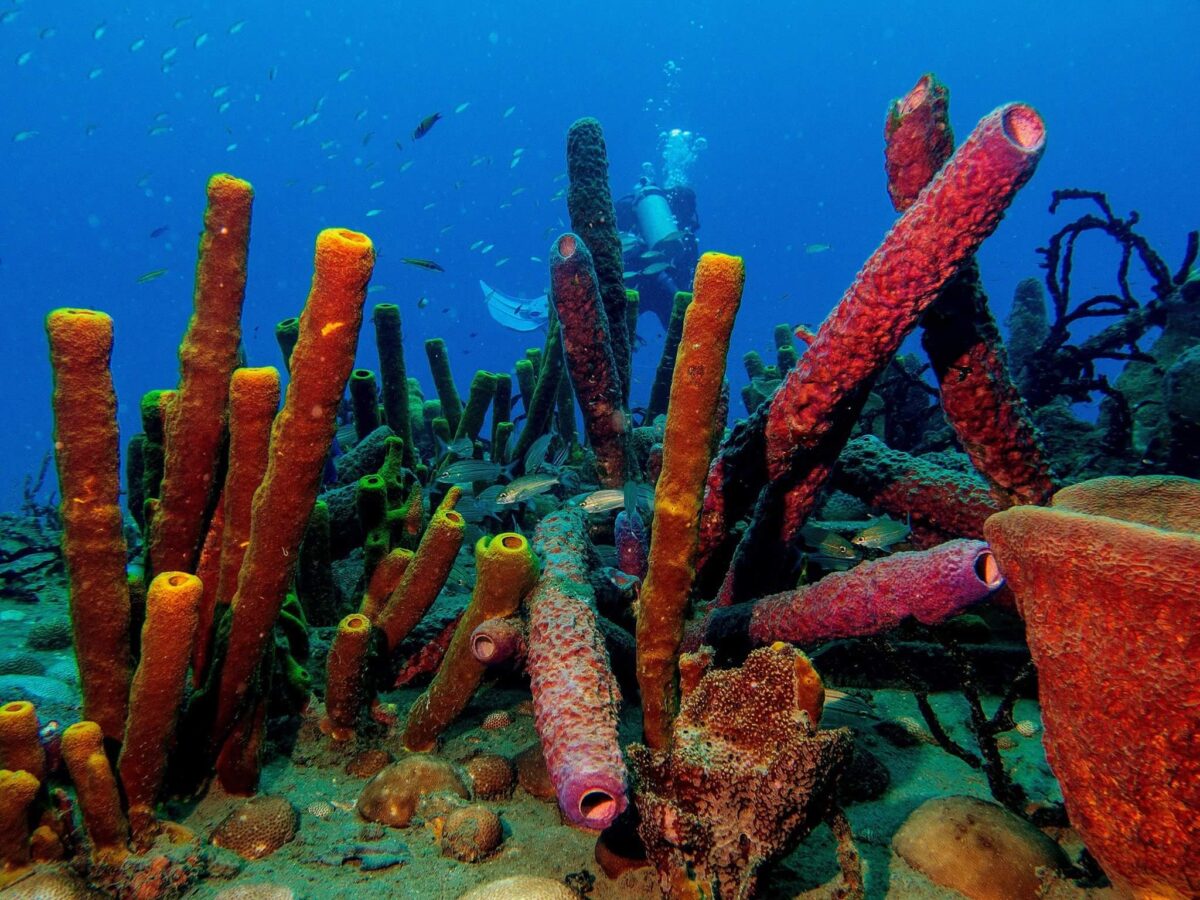
Our projects
Lines of action
Indicators
1- Number of housing units built and/or improved – 6,485
2- Highways, streets, and access roads – 15,375
3- Number of bridges built 17
4- Number of schools built – 49
5- Meters of pedestrian crossings built – 54,500
6- Electrification network meters – 8,230
7- Photovoltaic electrification plants 10
8- Photovoltaic power plants 15
9- Communities with photovoltaic energy 9
10- Formation of Committees for the Maintenance of Photovoltaic Systems – 7
Indicators
1- Number of community aqueducts built 32
2- Number of families benefited with access to safe drinking water from the constructed aqueducts 68,500
3- Linear meters of potable water systems constructed – 105,000
4- Number of residential connections 7,400
5- Number of water filters built and delivered – 11,200
6- Number of households with access to improved sanitation facilities – 800
7- Covered canyons 21,350 linear meters
8- Number of Sanitation Modules – 355
9- Formed and Incorporated ASOCAREs 27
10- Established foundations that receive economic income to cover their operations and provide solutions to other community problems – 5
11- Foundations with formal contracts with the municipality – 5
12- Amount generated by foundations monthly – US$820,100
13- Solid waste collected by Foundations monthly – 9,178 tons
Indicators
1- School Breakfast Services 3,240,000
2- Number of students trained in IDDI-administered and/or supported education centers – 242,320
Indicators
1- Number of HIV/AIDS tests performed - 126,210
2- Minimum informative packages delivered 97,221
3- Number of beneficiaries referred to comprehensive health services (SAI - Servicios de Atención Integral) 1,574
4- Number of preventive shifts carried out – 1,900
5- Number of contraceptive methods delivered for family planning 1,458,315
Indicators
1- Reforested and/or restored forest cover – 4,200 hectares
2- 1,200 tons of CO2 collected
Coverage of recovered and preserved reefs 382 hectares
3- Intervened beaches coverage 817 hectares
4- Number of associations of farmers, fishermen, crab fishermen, etc., supported – 38
5- People participated directly – 208,550
6- People participated indirectly 1,435,000
7- Dune and reclaimed beach coverage – 538.38 hectares
8- Restored mangrove cover – 769.29 hectares
9- Wetland coverage directly and indirectly recovered – 3,708 hectares
10- Agroforestry and forestry estates – 43
Indicators
1- Number of Collaboration Agreements Signed – 178
2- Received the first United Nations Global Compact Award granted in the Dominican Republic. 1 Number of local organizations strengthened with legal, financial, and institutional support processes – 235
3- Number of municipal governments supported – 47
4- Number of APPDs established for sustainable water management, strengthening the sustainable tourism chain, and environmental sanitation – 23
5- Formation of Committees for the Maintenance of Photovoltaic Systems – 7
Indicators
1- Number of young people in conflict with criminal law, reintegrated into society – 223
2- Youth participating in responsible alcohol consumption prevention initiatives – 220,000
3- Number of Schools Participating in Responsible Alcohol Consumption Prevention Initiatives 263
4- Number of young entrepreneurs trained – 4,560
5- Number of young people participating in talks on alternative dispute resolution 25,530
6- Number of Participating Professors in responsible alcohol consumption prevention initiatives 3,699
7- Number of boys and girls participating in friendly spaces – 1,046
8- Number of boys and girls referred to the school area – 1,150
9- Number of children served 435,000
10- Number of boys and girls (0-5 years old) benefiting from human education and training orientations – 12,300
Indicators
1- Number of female participants – 43,260
2- Number of women's organizations supported and strengthened – 27
3- Number of microenterprise loans granted to Single Mothers, Heads of Household – 865
Indicators
1- Number of supported tourist destinations 12
2- APPD number for the strengthening of the sustainable tourism chain – 6
Indicators
1- Number of participants in entrepreneurship and vocational training courses 43,650
2- Number of micro-enterprise loans granted – 86,400
About Us
The Dominican Institute for Integral Development, IDDI, was founded in 1984 out of the ideal and concern of a group of men and women to form a society where human beings have opportunities to live a productive, creative, and dignified life, in accordance with their needs and interests, and where interaction and dialogue among the various sectors of our society are promoted.
The IDDI is working hard to contribute to the transformation of human beings, their families, and the community in which we live.
Faced with a common problem, we are all the solution.