
- About Us
Who are we
What are we doing
Our Impact
- Support us
- About Us
Who are we
What are we doing
Our Impact
- Support us

- About Us
Who are we
What are we doing
Our Impact
- Support us
Health
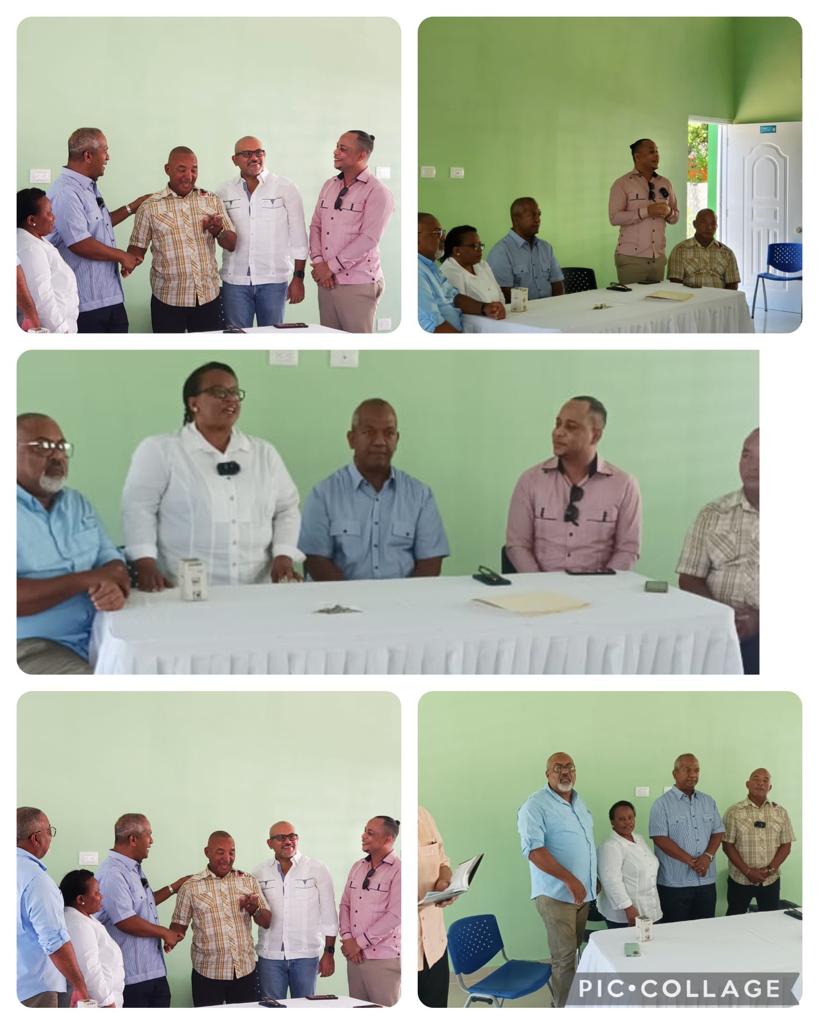
Location
San Felipe de Puerto Plata,
El Javillar Neighborhoods,
West Beach,
New Rebirth
Date
January – December 2019
Total Contribution
$7.400,000.00
Total Budget
$7.400,000.00
Theme
To contribute to improving the quality of life for the most disadvantaged people in the neighborhoods of El Javillar, Nuevo Renacer, and Playa Oeste, through various actions in the areas of health, education, social mobilization, environmental sanitation, infrastructure, and promotion of productive activities, which will generate positive externalities among themselves, promoting the global and participatory improvement of the population.
Funded by
The program, which began in 2007, is divided into 5 distinct projects, some with more than one component, depending on the sector of impact, but coordinated with each other to achieve a comprehensive impact.
Currently, this program is integrated into a strategic plan, developed jointly with the Generator, to continue contributing to the development of these communities and incorporates 5 strategic lines.
Strategic Lines
Health
1.1. This strategic line aims to strengthen and expand family participation in the preventive health education process within communities and to integrate community work into the institutional mechanism.
1.2. This strategic line works on Primary Health, Sexual and Reproductive Health, and its implementation is coordinated by the Department of Health.
Education
1.1. This strategic line aims to strengthen and expand the coverage of existing educational programs. It incorporates four programs to work specifically with children, adolescents, and youth in socially vulnerable conditions, providing them with opportunities for personal, human, and professional development that steer them away from violent and risky behaviors and offer them alternatives to become productive citizens for themselves, their families, their country, and the world. Additionally, it includes a program to reduce illiteracy in the intervention area.
1.2. This proposal complements this intervention by supporting the technical-vocational training program and the literacy program, as well as expanding the Youth Volunteer Network.
Environmental Sanitation/Infrastructure
1.1. This strategic line aims to strengthen and expand the coverage of existing educational programs. It incorporates four programs to work specifically with children, adolescents, and youth in socially vulnerable conditions, providing them with opportunities for personal, human, and professional development that steer them away from violent and risky behaviors and offer them alternatives to become productive citizens for themselves, their families, their country, and the world. Additionally, it includes a program to reduce illiteracy in the intervention area.
1.2. This proposal complements this intervention by supporting the technical-vocational training program and the literacy program, as well as expanding the Youth Volunteer Network.
1.3. Environmental Sanitation It has the approach of reducing the volume of solid waste from target neighborhoods and contributing to environmental sanitation and the sustainability of waste management interventions.
- This strategic line is coordinated by the Department of Social Promotion.
- This proposal complements this intervention by carrying out various cleaning days in ravines and alleys, adapting a space for storing recyclable material, and carrying out awareness and education activities for residents on environmental sanitation and preservation of the environment.
1.4. InfrastructureThe aim is to improve the environmental sanitation conditions for families and provide community infrastructure in the intervention area.
- This project is coordinated by the Physical Works Department.
- This proposal complements this intervention by carrying out various cleaning days in ravines and alleys, adapting a space for storing recyclable material, and carrying out awareness and education activities for residents on environmental sanitation and preservation of the environment.
Microcredit
1.1. This component seeks to contribute to improving living conditions and reducing social exclusion through access to micro-loans for beneficiaries, with an emphasis on women and youth. It also aims to stimulate the economy in the targeted neighborhoods and foster robust education in entrepreneurship.
Children 6 years and older, men and women over the age of majority
Impact
Creation of networks of young volunteers on the topics of SRHR and conflict mediation, and a network of 45 promoters in basic health and environmental sanitation.
More than 3,000 families directly involved in health, environmental sanitation, education, microcredit, and infrastructure activities.
Construction of an aqueduct system in El Javillar.
Construction of more than 80 sanitary modules.
Repair of approximately 50 homes.
Training and development for youth in technical courses through INFOTEP.
Cooperation agreement with the Provincial Directorate of Public Health in Puerto Plata.
Support and strengthening of CSOs.
Health and well-being: Ensure healthy lives and promote well-being for all at all ages.
Reducing inequalities: Reduce inequality within and among countries.
The program will directly work with 5 of the 6 strategic axes listed in the PNACC-DR:
Through training workshops and community talks, guidance, and referrals to UNAPS.
With the empowerment of community leaders and the general population for a better quality of life.
Any questions?
The IDDI is working hard to contribute to the transformation of human beings, their families, and the community in which we live.
Faced with a common problem, we are all the solution.