
- About Us
Who are we
What are we doing
Our Impact
- Support us
- About Us
Who are we
What are we doing
Our Impact
- Support us

- About Us
Who are we
What are we doing
Our Impact
- Support us
Environmental

Location
Montaña La Humeadora National Park
Date
July 1, 2023 – December 31, 2024
Total Budget
USD 215,224.18
Total Contribution
USD 215,224.18
Theme
1) Updating the management plan with an emphasis on establishing a robust and sustainable governance mechanism.
2) Reduction of threats and conservation actions for trigger species.
3) Training and participation as key tools for good management.
4) Promote local social benefits through agroforestry and tourism.
Funded by
Montaña La Humeadora National Park
The La Humeadora Mountain National Park of the Dominican Republic is a protected natural area, covered by General Law 64-00 on the Environment and Sectorial Law No. 202 of 2004 on Protected Areas. Previously, part of its territory had been under different legal frameworks and protection regimes since the 1930s, and through decrees 199 of 1992 and 233 of 1996. The area defined in Law 202-04 is 290 km2 and is located north of Santo Domingo, occupying territories in the municipalities of Los Cacaos and Villa Altagracia, in San Cristóbal Province, Piedra Blanca and Bonao, in Monseñor Nouel Province, and Rancho Arriba, in San José de Ocoa Province.
Area: 290 sq km. It stands out for its biodiversity and the water services derived from the water currents that originate within its territory.
In addition to the biodiversity it contains, the PNMLH contributes a significant amount of water through the Haina, Nizao, Yuna, and Nigua river basins.
In the studies for the 2014-2019 Management Plan, 16 rivers and 71 named streams and creeks were identified.

Ecosystems
In the mountainous life system of La Humeadora, a zone of Cloud Broad-leaved Forests (of Palo de Viento-Schefflera tremula (Krug & Urb.) Alain and of Manacla-Prestoea montana) stands out.
Moist Broadleaf Forests (of Black-cherry and diverse broadleaf species). Riparian Broadleaf Forests and Wetlands.
Flora
The vegetation of La Humeadora National Park holds significant scientific and botanical appeal. The flora present in the protected area is highly diverse. The main plant species found include the manacla (Prestoea montana); the palo del viento (Schefflera tremula or Didymopanax tremulus), which has a lifespan ranging from 500 to 800 years; the bija cimarrona (Alchornea latifolia); the cola col (Mora abbottii); the canelilla (Ocotea wrightii); the lana (Ochroma pyramidale); the pino macho or pino de teta (Zanthoxylum martinicense); and the nisperillo (Matayba domingensis). Within the park's flora, the presence of abundant orchid species is particularly noteworthy for its interest.
The park has 705 species of vascular plants, distributed among 423 genera and 114 families, 119 species endemic to Española Island, 479 native, and 75 exotic, with 117 threatened species on the National Red List or CITES.
Fauna
The fauna of the protected area is represented by birds, amphibians, reptiles, insects, and mammals characteristic of this area of the Central Cordillera. Of the bird group, the most common are: chua-chua (Turdus plumbeus), Selle thrush (Turdus swalesi), pine warbler (Dendroica pinus), rufous-throated solitaire (Myadestes genibarbis), palm crow (Corvus palmarum), Hispaniolan woodpecker (Melanerpes striatus), Hispaniolan trogon (Priotelus roseigaster), and Hispaniolan amazon (Amazona ventralis).
AICA classified: 69 bird species, out of 306 for the country.
For the Cordillera Central mountain range, 90% of the country’s endemic amphibians and reptiles have been reported. In PNMLH, there are 21% of amphibians, comprising five genera and nine species. Additionally, there are 34% of reptiles, comprising six genera and eight species.
Background
Montaña la Humeadora National Park had a management plan approved in 2014, which was valid for five years. This plan established strategies and guidelines for the conservation and sustainable use of the park’s natural and cultural resources. However, once its validity period had expired, an update was needed to reflect the new challenges and opportunities for the conservation of this protected area.
Among the main threats to the conservation objects of PNMLH, the pressure on forest cover stands out, the highest density of which characterizes the best conserved areas of the park's natural ecosystems. The reduction in forest cover, determined in the supporting studies carried out during the preparation of the 2014-2019 Management Plan sponsored by CEPF during this period, indicated that the main causes of this reduction were the expansion of agriculture and livestock, and fires caused by slash-and-burn practices, generally carried out to change the use of forested land to short-cycle crop plots. The extraction of parakeets and conures (vulnerable indicator species, although not prioritized), which according to verbal information has decreased; but still requires more work on mitigation actions, as does the illegal fishing or capture of blue crabs (river crabs) which persists remarkably.
Project Objective
Establish an inclusive governance mechanism through the update of the PNMLH Management Plan, in which local actors have influence in decision-making for the conservation of biodiversity and ecosystems, playing an important role in the best utilization of ecosystem services and the sustainability of this protected area.

Trigger species

Swainson's Thrush
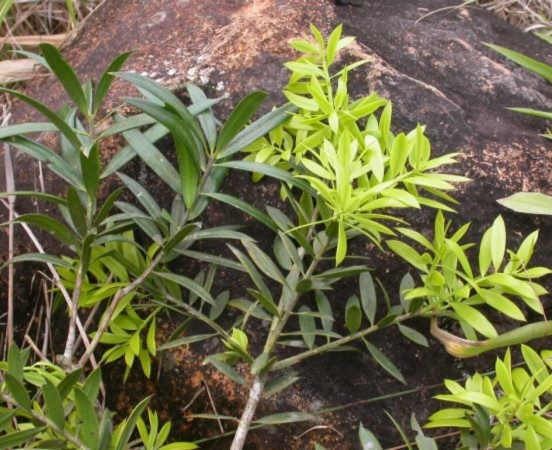
Hispaniolan Podocarpus
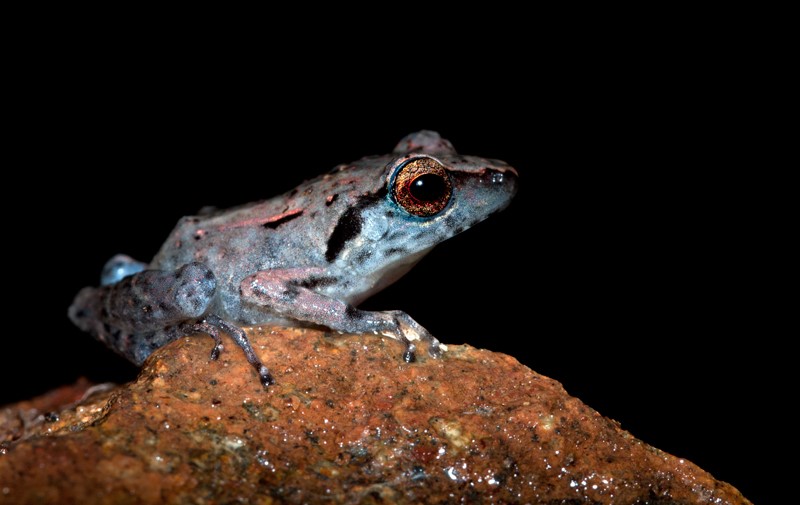
Eleutherodactylus minutus
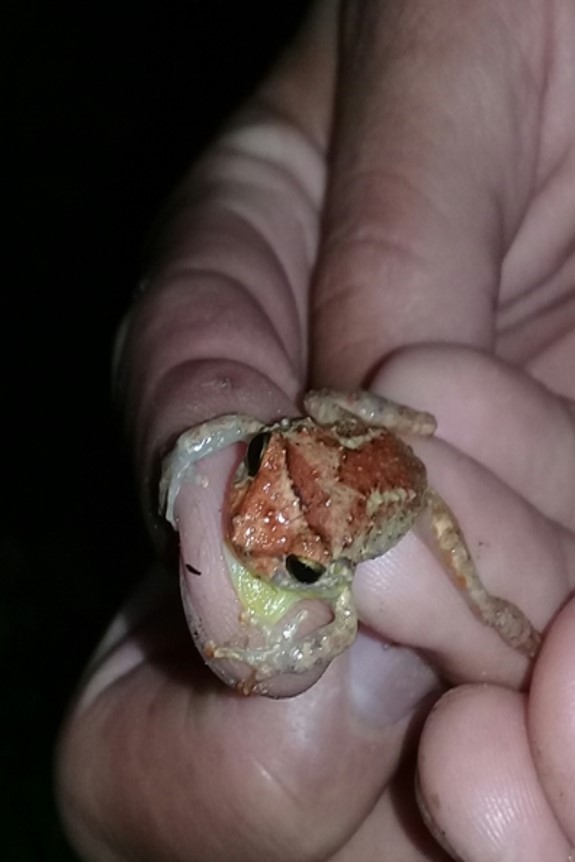
Eleutherodactylus auriculatoides
Implementation Strategy
It focuses on reducing the pressure on forest cover through actions that not only strengthen the capacities of decision-makers but also involve communities located within buffer zones to help protect species and manage risks and threats to the conservation targets of the KBA.
Technical team
Francisco Arnemann
Coordinator
Maximino Herrera
Forestry Specialist
Teres Morrobel
Social Worker
Arelis Fermín
Financial specialist
Merry Christmas Soranyi
Biologist
Technical Committee
Arcadia Francisco
Director of Physical Infrastructure
Maria Cornelio
Gender Specialist
Charmery Graciano
Planning and Monitoring
Rosemary Prisma
Awards
End Poverty: Eradicate poverty in all its forms everywhere.
Zero hunger: End hunger, achieve food security and improved nutrition, and promote sustainable agriculture.
Terrestrial ecosystem life: sustainably manage forests, combat desertification, halt and reverse land degradation, and halt biodiversity loss.
Piedra Blanca, Monseñor Nouel. Dominican Republic
At the beginning of February, the coordinating team held two workshops, one in Piedra Blanca and another in Los Cacaos, with the objective of establishing a governance model for the Montaña La Humeadora National Park. These workshops were aimed at members of the local community, park collaborators, and other stakeholders. During these sessions, dialogue and collaboration were fostered among participants to reach a consensus and present a governance approach that reflects the shared needs and visions for the park's sustainable and equitable management.
Considering the presence of stakeholders in these workshops, attendees' participation was stimulated with questions and comments, which would complement their understanding and use of the Safeguards and the Grievance/Suggestions Mechanism.
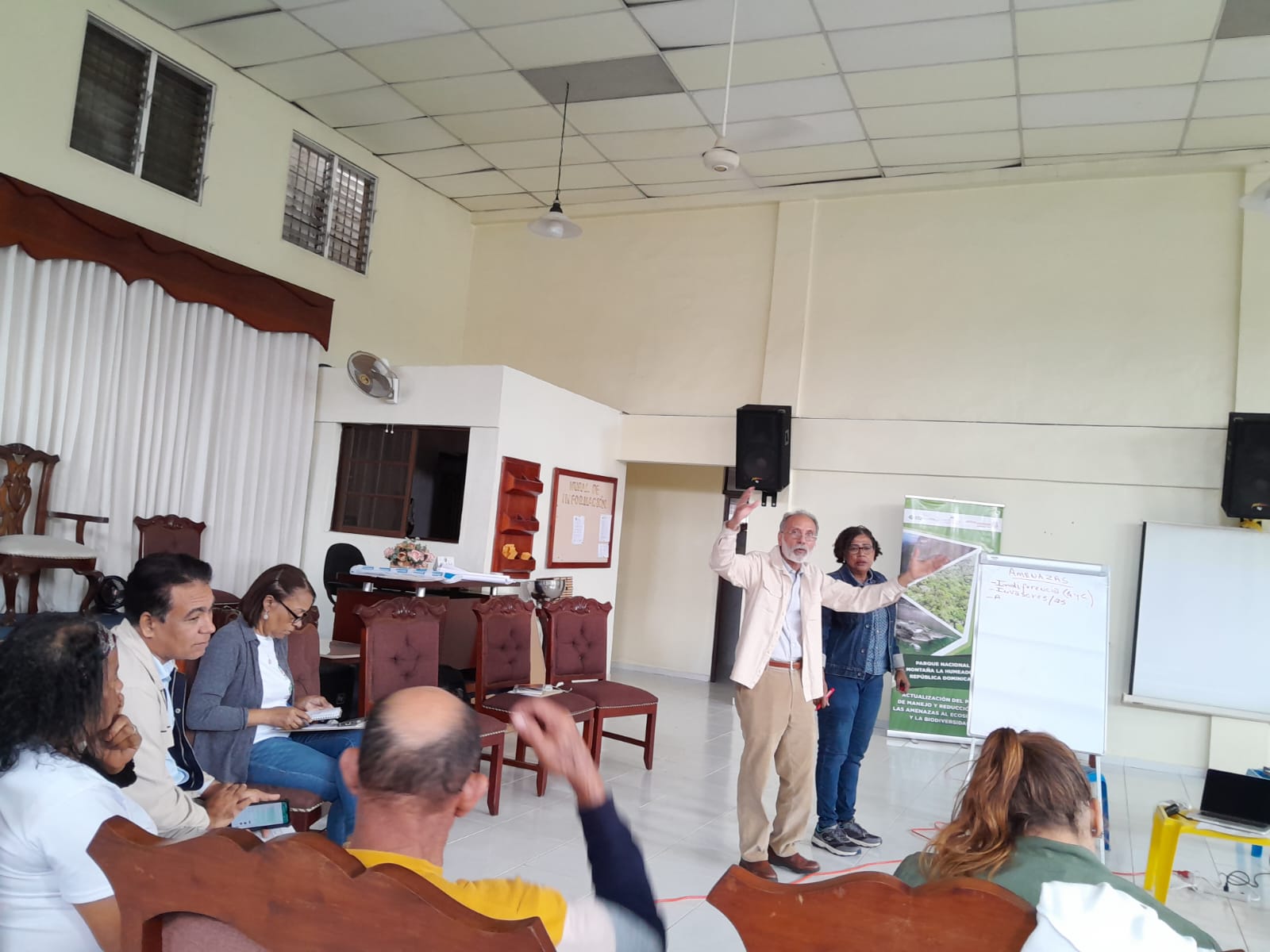


Los Cacaos, San Cristobal. Dominican Republic.

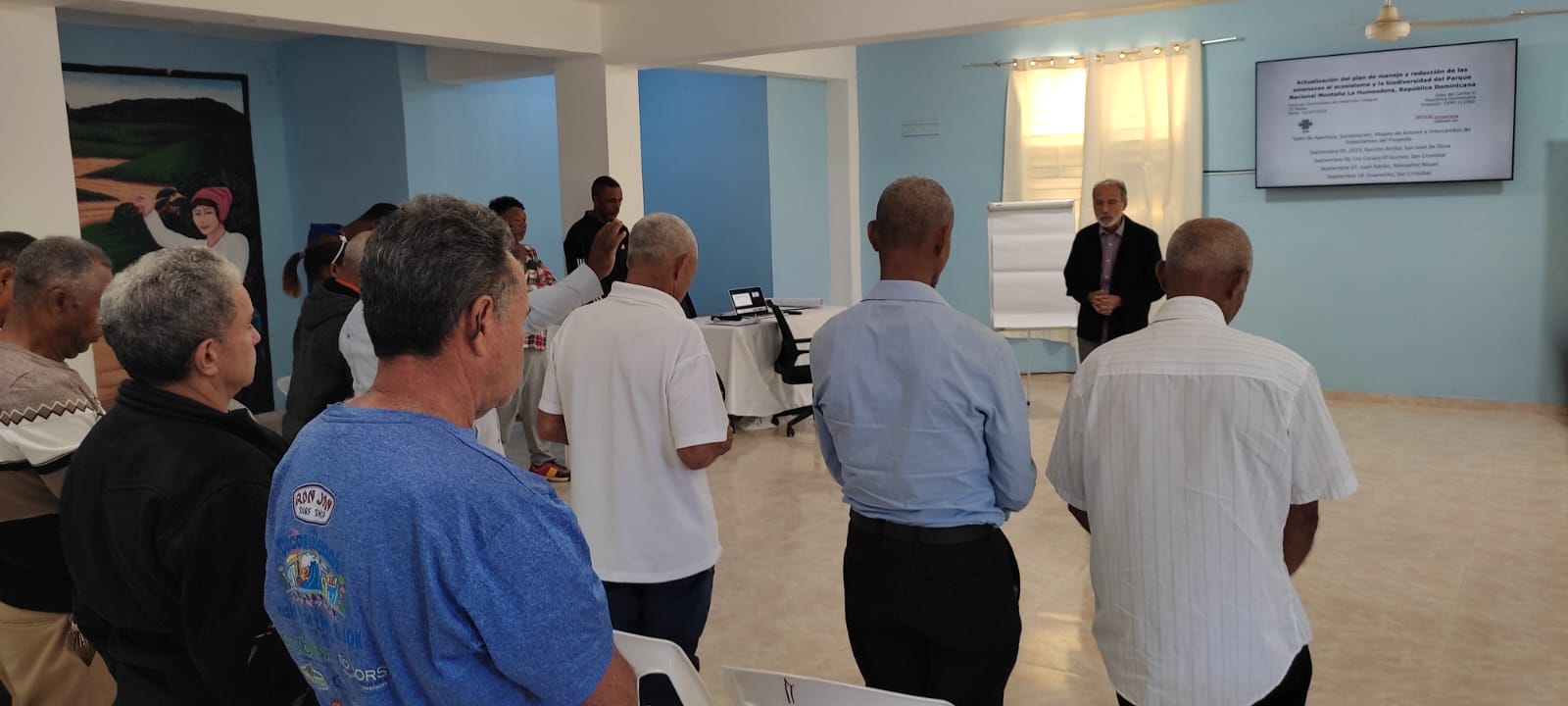

Guananito, San Cristóbal, Dominican Republic.
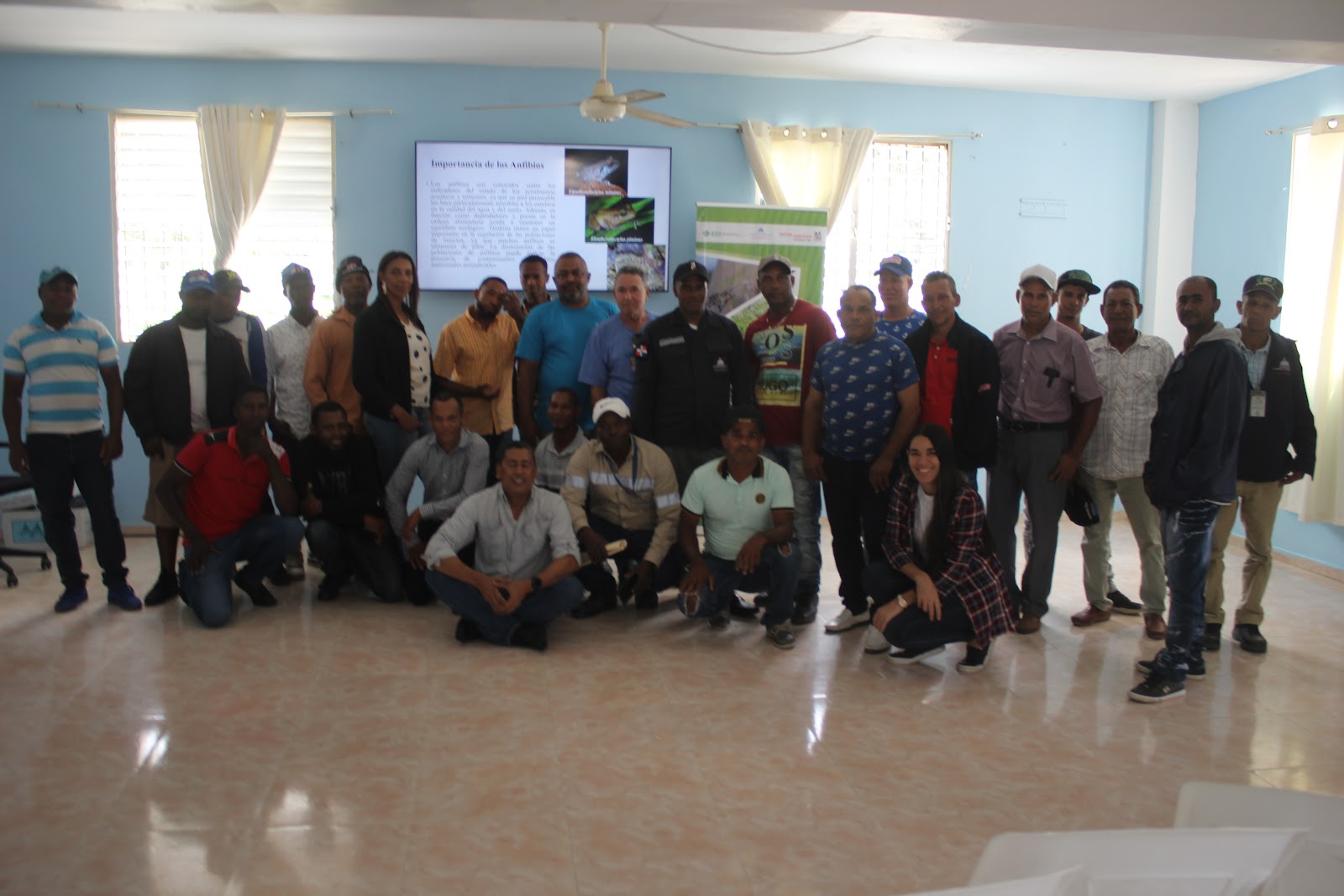
This workshop was organized with the aim of raising awareness about the impact of agriculture on La Humeadora Mountain National Park (PNMLH) and highlighting the crucial role of farmers in the conservation of KBAs.
The training included a session specifically for participating community members and park rangers, with the aim of identifying the trigger species present in PNMLH and emphasizing the importance of their protection and conservation.

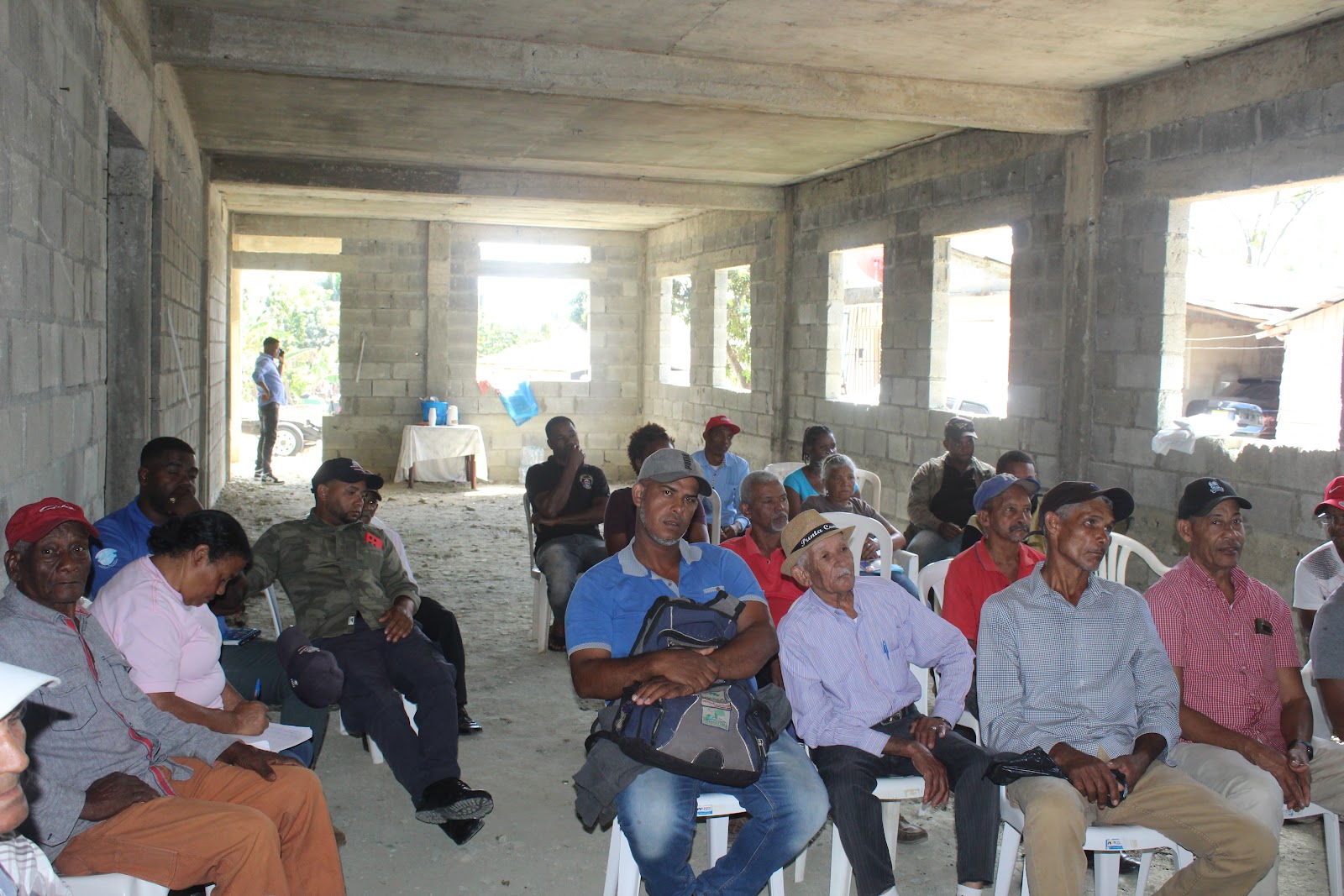


Los Cacaos, San Cristobal. Dominican Republic.



Visit to Los Negros de Haina-Duey
Exchange of experiences in environmental conservation between the communities of Calderón and Los Guineos, with the purpose of learning about the resilience and conservation of water resources and biodiversity implemented in Los Negros de Haina-Duey.
During this visit to Los Negros de Haina-Duey, representatives from Calderón and Los Guineos were able to learn firsthand about the achievements in both environmental conservation and resilience gained in this micro-watershed.
Likewise, the host community members offered new ideas and approaches for implementing improvements in the visitors' own communities and in the buffer and core zones of the PNMLH.
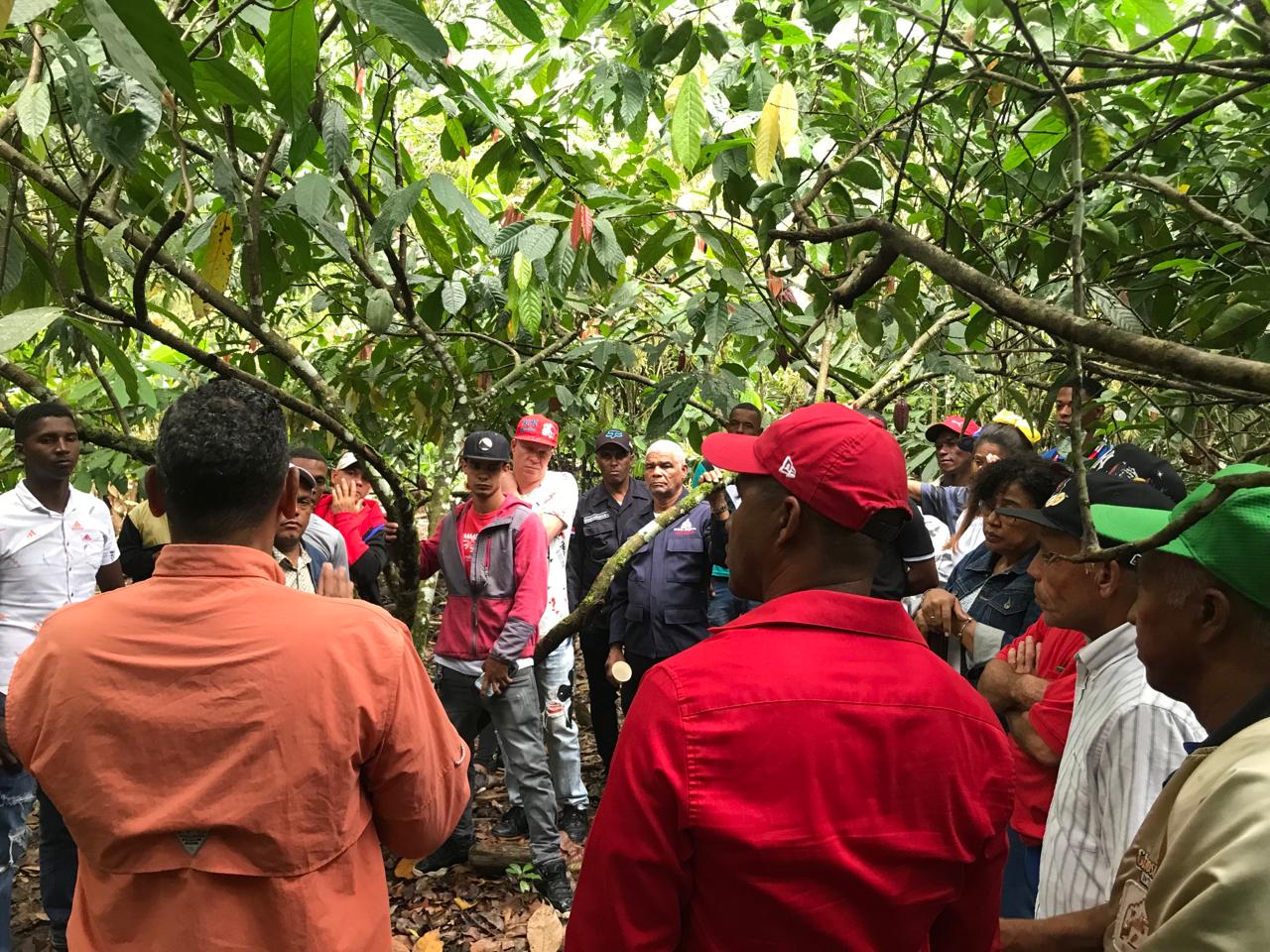

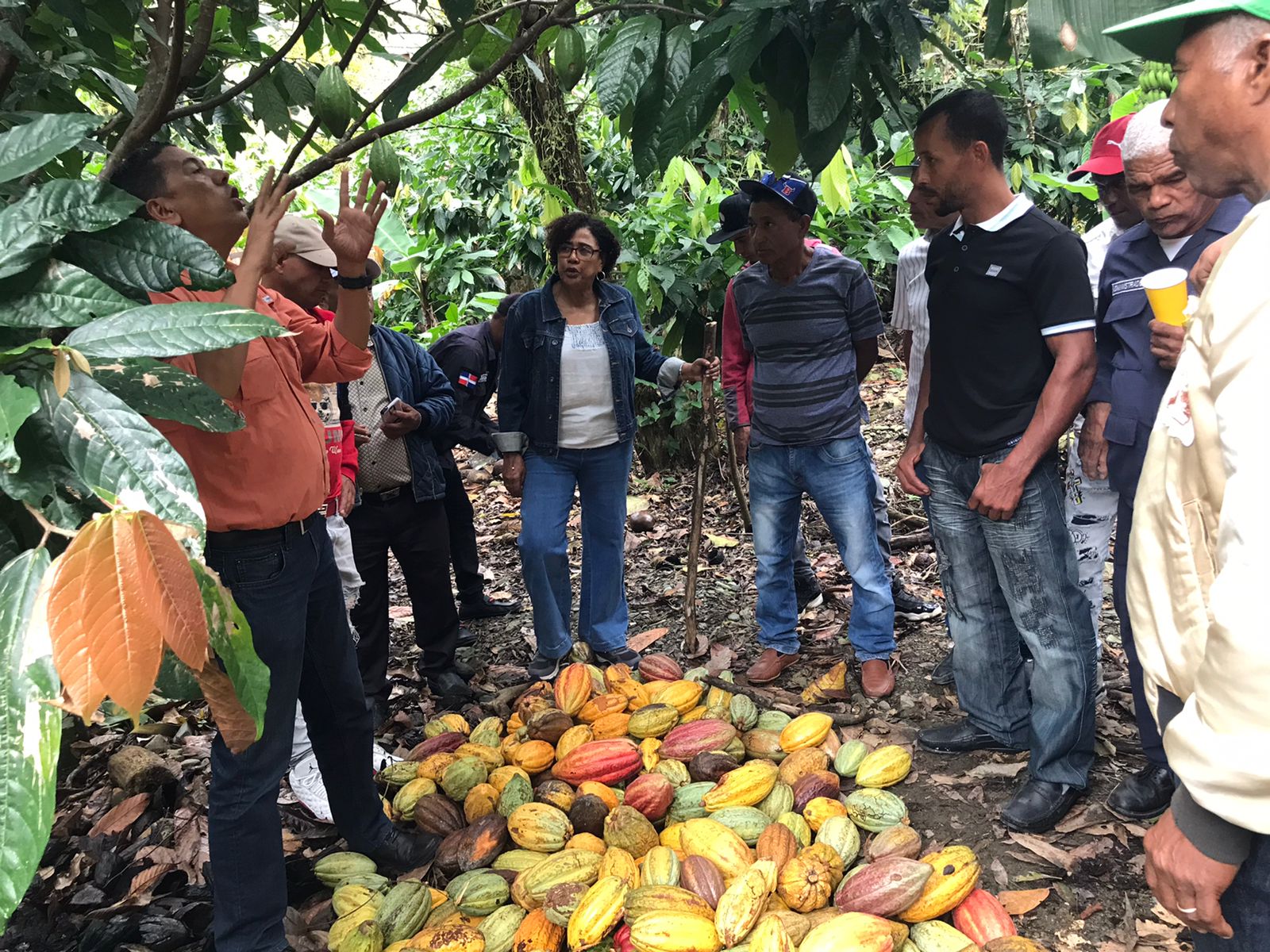
Calderón, San Cristobal. Dominican Republic
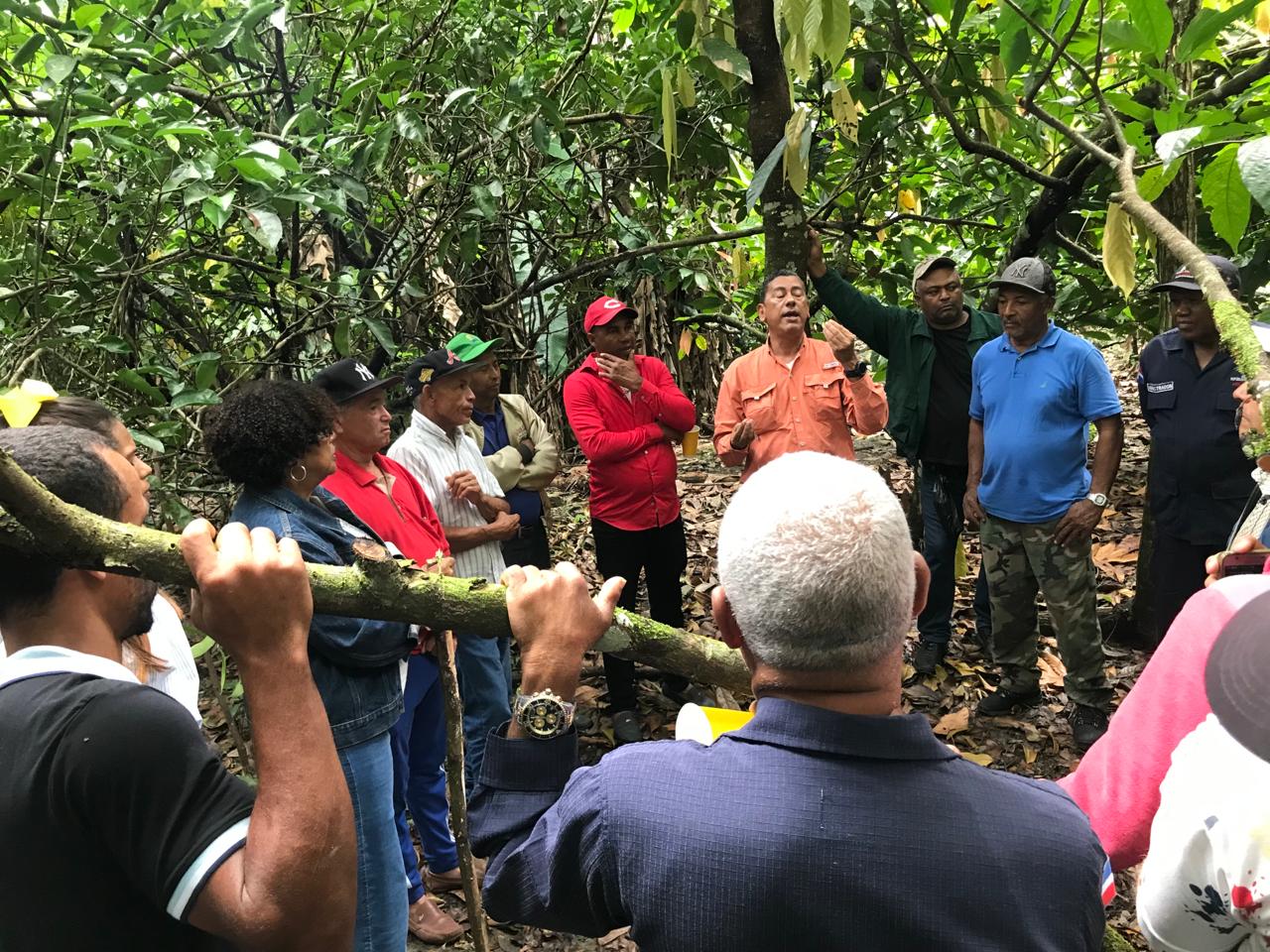
Two workshops were conducted using the field school methodology, one in Calderón and the other in El Guineo, in order to strengthen participants' capacities in sustainable natural resource management techniques and promote environmental conservation in the community.
In both workshops, a theoretical session was given where the following were explained in detail: what analog forestry is, its main characteristics, its benefits, and its practical application in forest resource management. Additionally, a practical session was held where participants learned to produce organic fertilizer and bioles as alternatives to chemical fertilizers.


El Guineo, San Cristobal, Dominican Republic.


Documents
Any questions?
The IDDI is working hard to contribute to the transformation of human beings, their families, and the community in which we live.
Faced with a common problem, we are all the solution.